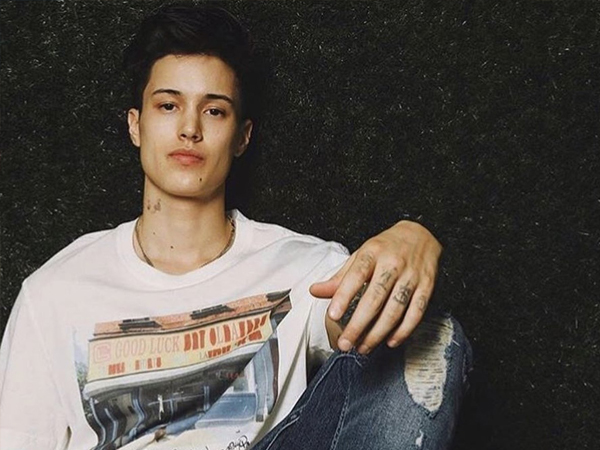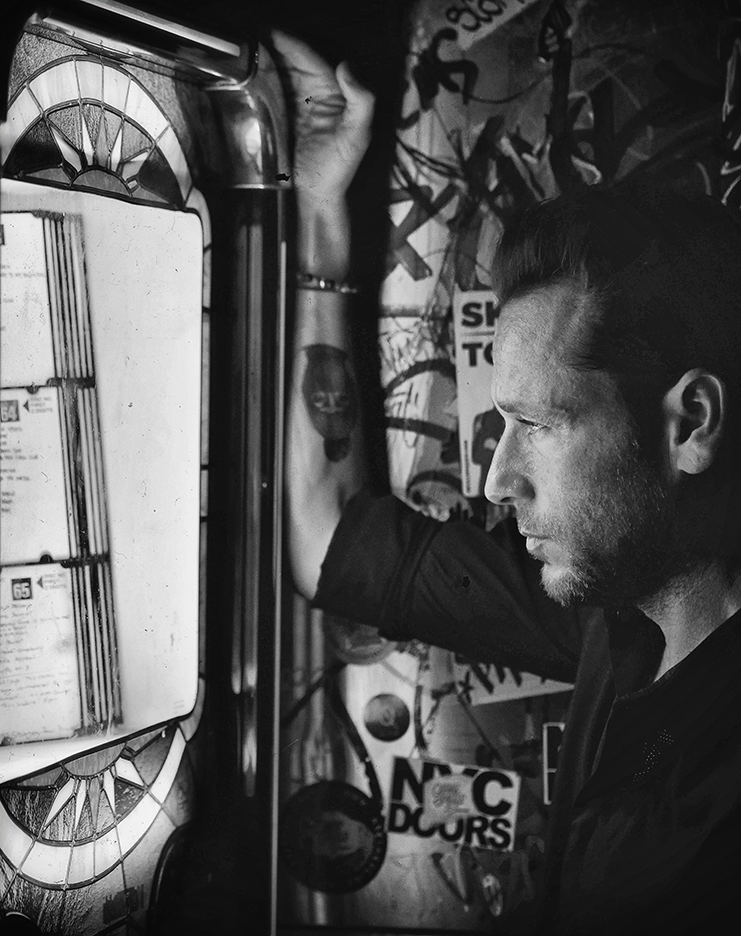
















Jeremy Penn, Senior Creative Director & Brand Strategist

Creative Director Cultural Strategist Artist Product Designer Keep scrolling because I am out of titles
Scroll

Concept to Culture

Concept to Culture

From concept to culture, I've spent more than 20 years building creative systems, shaping products, leading high-output teams, and crafting experiences that endure.

My foundation is in fine art, so I think in terms of form, weight, and tension before features. That sensibility shapes everything I build, and is often why the work feels considered rather than assembled.

Grounded in a deep understanding of human behavior and cultural signals, I spot shifts early and use emerging technologies to create work people return to, talk about, and remember.

Jeremy Penn, Senior Creative Director and Cultural Strategist specializing in experiential design and consumer technology, based in New York
Lululemon, brand partner of Jeremy Penn Creative Studio Saks Fifth Avenue, luxury retail creative direction by Jeremy Penn Coach, luxury fashion brand partner Hugo Boss, premium fashion brand partner Maxim Magazine, media and publishing brand partner American Express, financial services brand partner Universal Music Group, entertainment industry brand partner Ed Hardy, fashion and lifestyle brand partner Loews Hotels, hospitality brand partner Missoni, Italian luxury fashion brand partner Tommy Hilfiger, fashion and lifestyle brand partner Red Bull, energy and action sports brand partner Jarritos, beverage brand partner Lululemon, brand partner of Jeremy Penn Creative Studio Saks Fifth Avenue, luxury retail creative direction by Jeremy Penn Coach, luxury fashion brand partner Hugo Boss, premium fashion brand partner Maxim Magazine, media and publishing brand partner American Express, financial services brand partner Universal Music Group, entertainment industry brand partner Ed Hardy, fashion and lifestyle brand partner Loews Hotels, hospitality brand partner Missoni, Italian luxury fashion brand partner Tommy Hilfiger, fashion and lifestyle brand partner Red Bull, energy and action sports brand partner Jarritos, beverage brand partner
Tretorn, footwear and lifestyle brand partner Cotton Incorporated, textile industry brand partner Helix, technology brand partner Ledger, blockchain and crypto hardware brand partner Stake, fintech brand partner RKD, gamification and technology venture Inverus, Web3 and blockchain brand partner Good Luck Dry Cleaners, cultural retail concept by Jeremy Penn Schutz, luxury footwear and fashion brand partner Tretorn, footwear and lifestyle brand partner Cotton Incorporated, textile industry brand partner Helix, technology brand partner Ledger, blockchain and crypto hardware brand partner Stake, fintech brand partner RKD, gamification and technology venture Inverus, Web3 and blockchain brand partner Good Luck Dry Cleaners, cultural retail concept by Jeremy Penn Schutz, luxury footwear and fashion brand partner

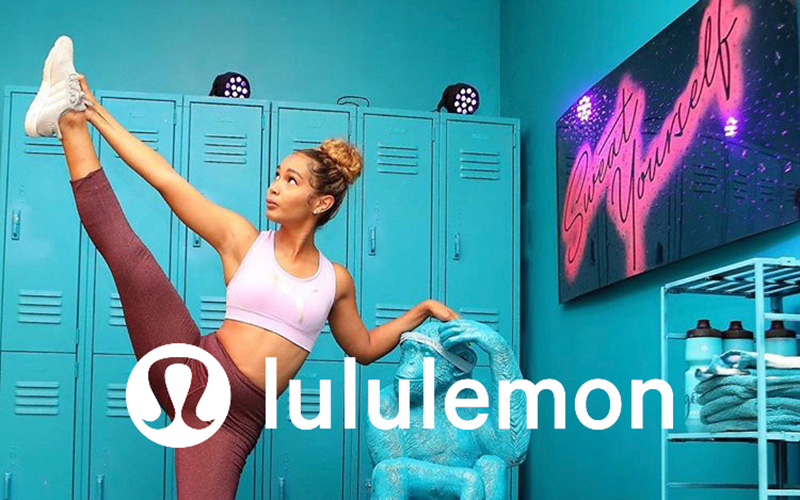
Lululemon

Creative Direction · Experiential Design · Brand Positioning

View Case Study
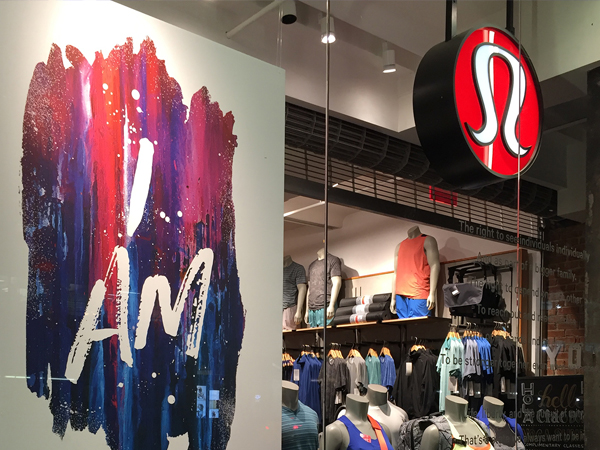
Lululemon creative direction project, brand positioning and experiential design by Jeremy Penn

The Opportunity

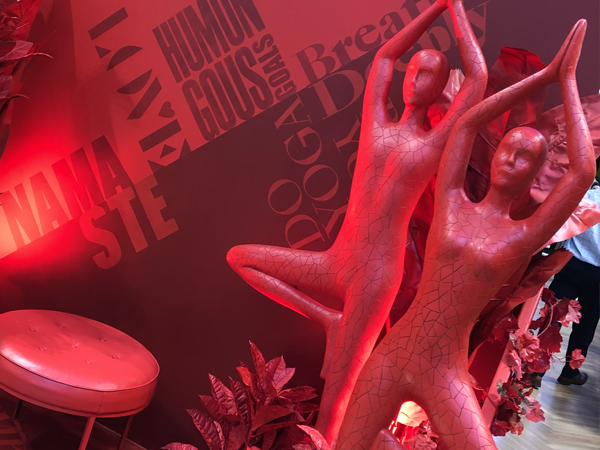
At their 20-year mark, Lululemon faced the problem every successful brand eventually confronts: the market had caught up. Wellness was everywhere. Athleisure was everywhere. And when everything looks like you, the danger isn't losing customers, it's losing meaning. The opportunity was hiding in plain sight. Lululemon had something most brands spend decades trying to manufacture: a genuinely devoted community.

The Challenge

How do you translate authentic community devotion into a brand position that feels earned rather than extracted? How do you elevate without alienating? How do you write a manifesto for people who already know what they believe, without telling them what to believe? That's the line we had to walk. High-end but accessible. Confident but not prescriptive.

The Approach

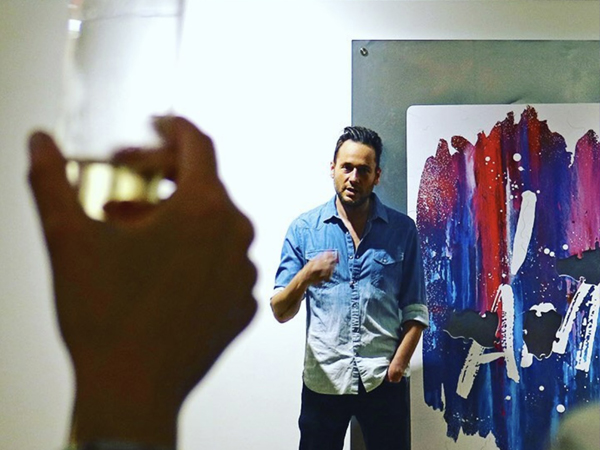
I started where most brands don't: with listening. Before any strategy, I spent time inside Lululemon's community, not to validate assumptions, but to understand what the brand actually meant to people's lives. What emerged wasn't surprising in hindsight, but it was clarifying: people weren't buying athletic wear. They were buying a philosophy. So we made it explicit. Every touchpoint, physical spaces, programming, events, and language, was designed to reflect that philosophy back to the community. The repositioning landed because it wasn't invented. It was excavated.
Saks Fifth Avenue

Creative Direction · Brand Positioning · Experiential Design

View Case Study
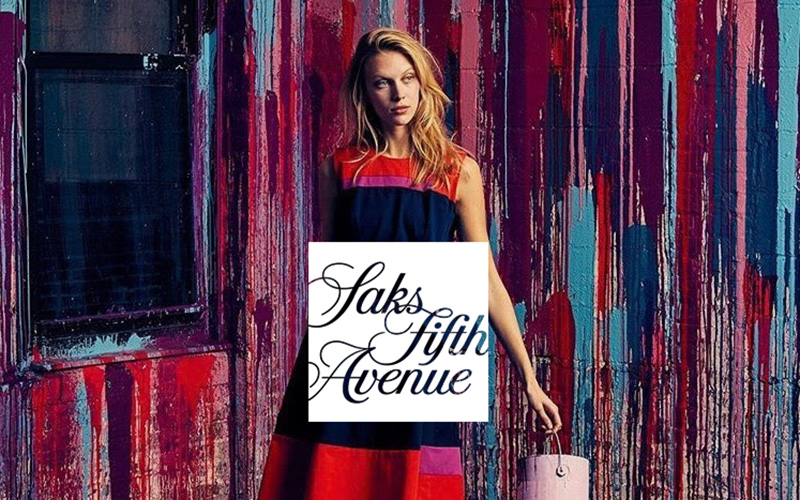
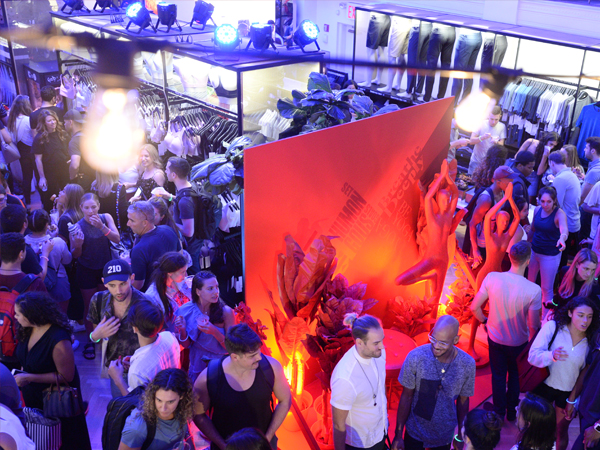
Saks Fifth Avenue creative direction, luxury retail brand repositioning by Jeremy Penn

The Opportunity

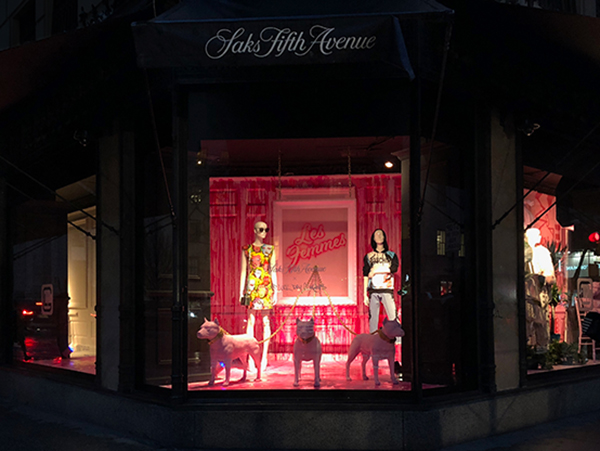
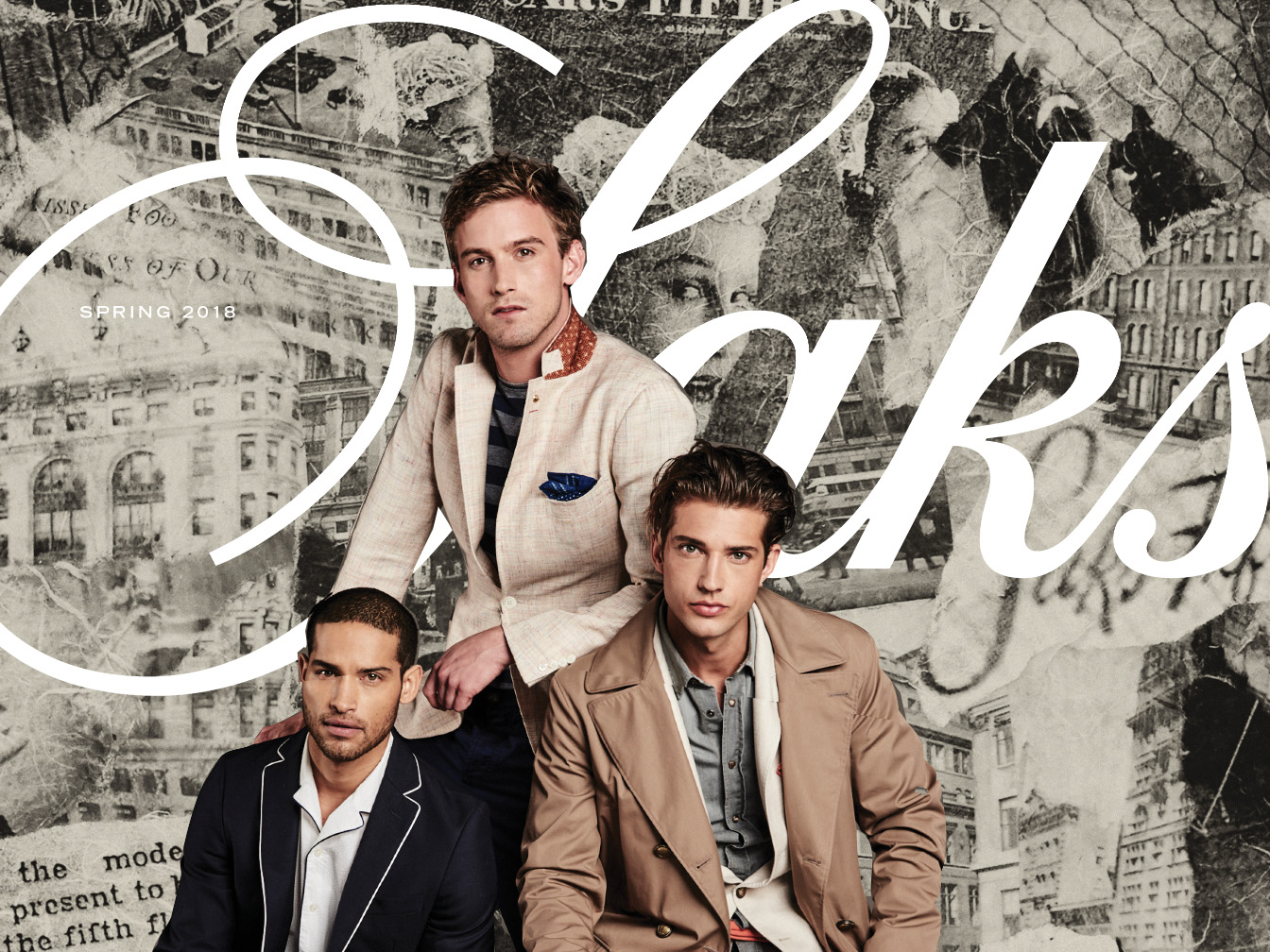
Saks Fifth Avenue had built an iconic legacy in luxury retail, but faced an identity crisis in a rapidly evolving market. Younger consumers saw them as prestigious but disconnected from contemporary culture. The real opportunity: Saks had something competitors didn't, institutional credibility, heritage, and access to cultural moments. They needed to reposition from "luxury retailer" to "cultural curator."

The Challenge

Reposition Saks Fifth Avenue as a high-end cultural authority that could speak to both legacy customers and emerging cultural leaders. Balance sophistication with accessibility. Create a brand narrative that felt earned, not desperate. Make them feel like the epicenter of culture, not a museum.

The Approach

We started by mapping Saks' actual cultural touchpoints, their real assets. The iconic 5th Avenue windows as a stage for artists. The basement speakeasy vibe. Their fashion book tradition. Their ability to bring together artists, designers, and tastemakers. We developed a complete visual and narrative identity that positioned Saks as a cultural brand first, retailer second. Bold, contemporary, unapologetically cultural, NYC street culture meets luxury refinement.

Good Luck Dry Cleaners

Founder · Creative Direction · Brand Partnerships · Experiential Design

View Case Study
Good Luck Dry Cleaners, cultural retail concept and experiential brand space founded by Jeremy Penn

The Opportunity

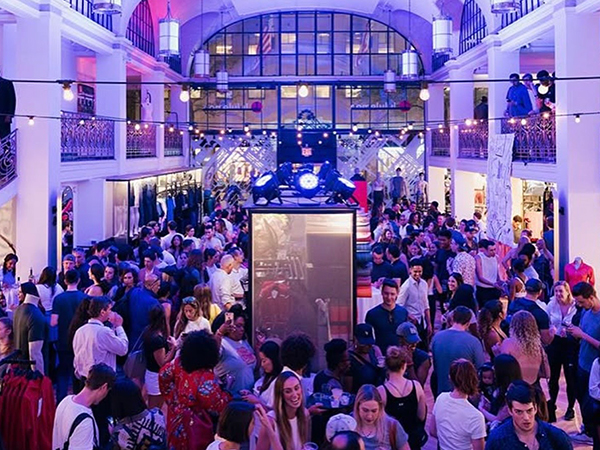
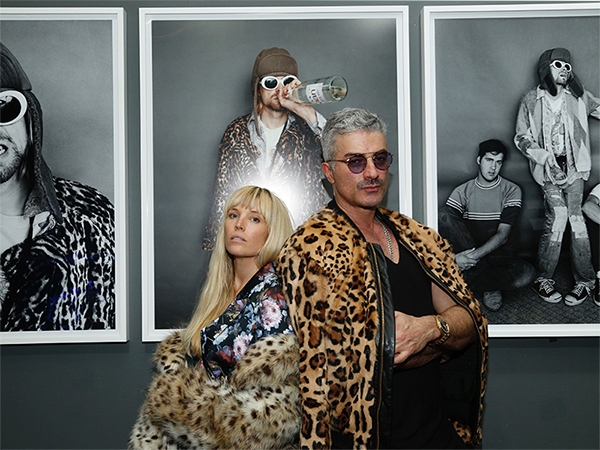
Retail was dying. Landlords had vacant storefronts they couldn't fill. Brands had no way to reach customers authentically. Communities had lost the gathering spaces that made neighborhoods feel alive. But those three problems pointed to the same solution. What if you created cultural spaces so compelling that landlords would pay you to open them, brands would fight to activate them, and communities would live in them?

The Challenge

Transform retail into cultural destinations, then prove it was a business model, not a passion project. That meant solving three things at once: making it scalable across five NYC locations, making it profitable without compromising authenticity, and making it so culturally magnetic that people got tattoos without being asked.

The Approach

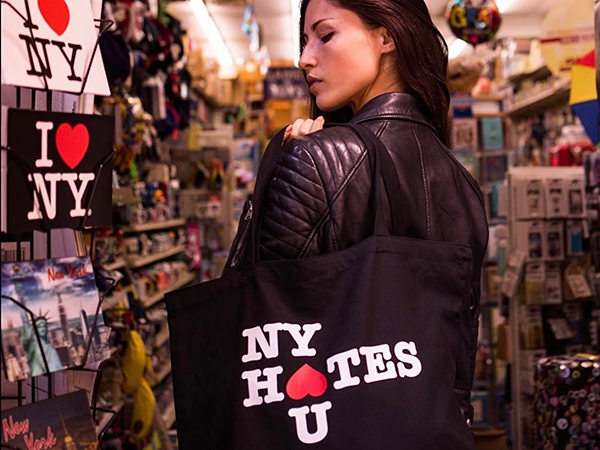
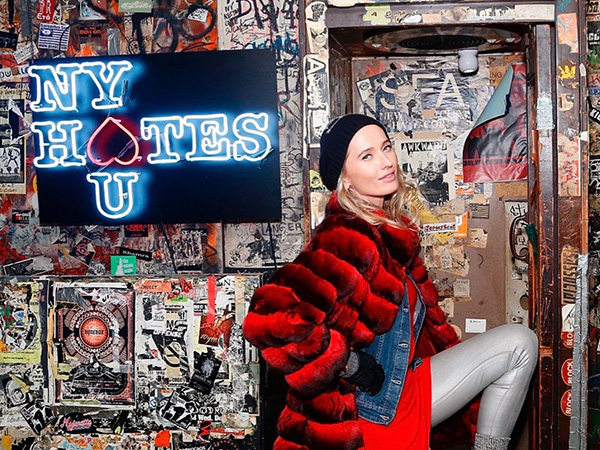
We started with a single insight: the best brands are communities first, merchants second. Everything else followed from that. We targeted abandoned retail in neighborhoods with creative energy, built genuine cultural hubs with events and community gatherings, and let brands earn entry through cultural credibility. Saks, Lululemon, Maxim, Getty Images, CBGB, Ed Hardy, they all came to us. Five locations across NYC. Landlords paid us to open. People got tattoos.

Degen Arcade

Founder · Creative Direction · Product Design

View Case Study
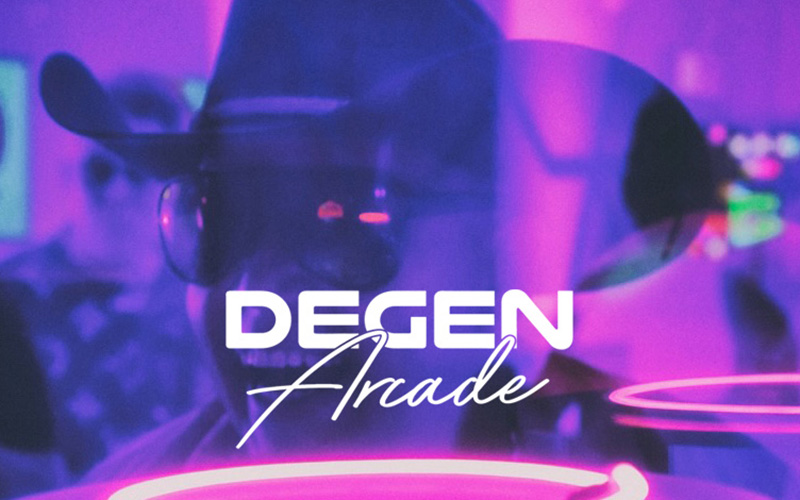
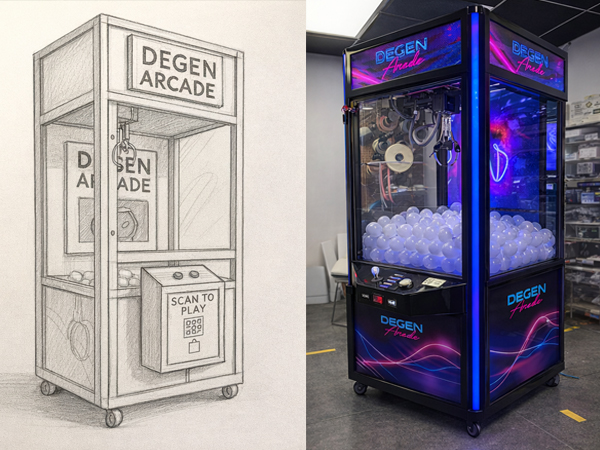
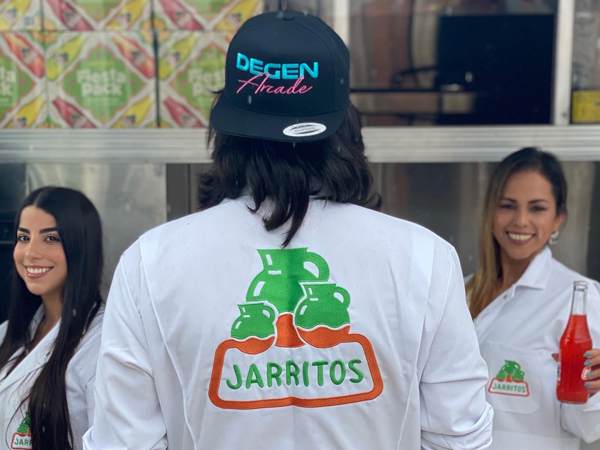
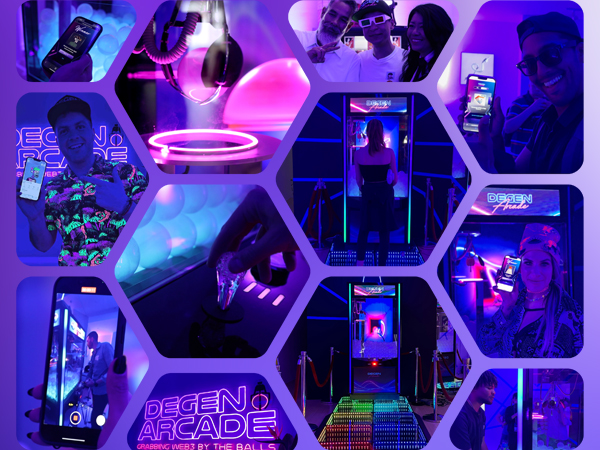
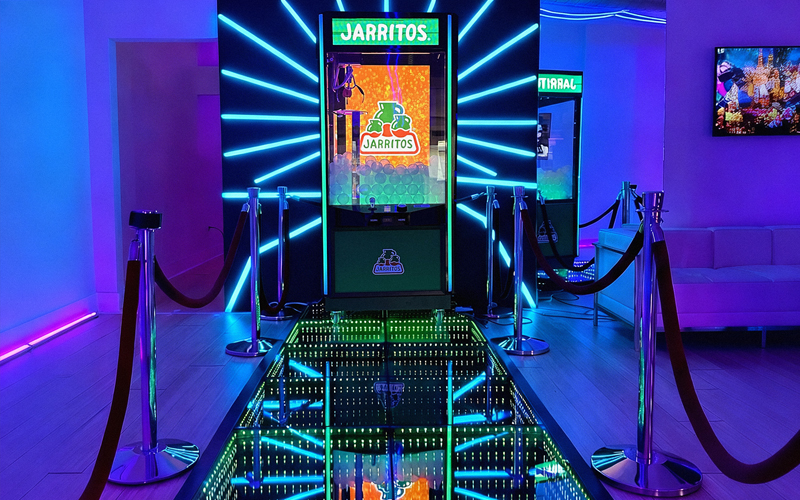
Degen Arcade, gamification and blockchain product design by Jeremy Penn

The Opportunity

Brands were stuck in a one-way relationship with consumers. Digital loyalty programs felt transactional and disconnected. Meanwhile, blockchain technology was creating new possibilities for digital asset ownership, but no one had figured out how to make it accessible at scale or integrated into physical consumer touchpoints. We saw an opportunity to bridge this gap: what if existing gaming and vending machines could become distribution channels for digital assets?

The Challenge

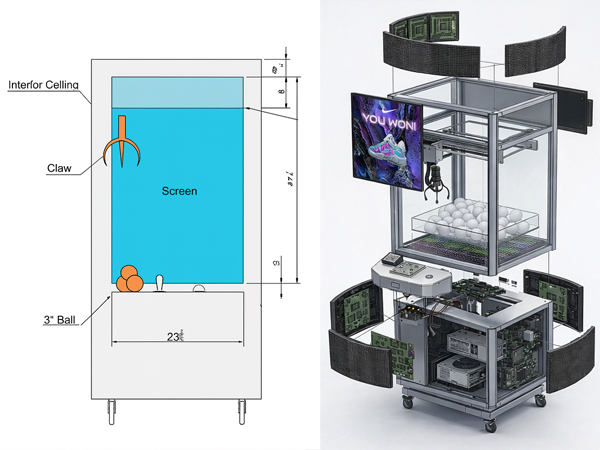
The core challenge wasn't hardware. It was software architecture. We needed to build a patent-pending engine capable of managing on-chain digital asset distribution at enterprise scale, creating compelling game mechanics, integrating with existing physical infrastructure, and proving the software could drive lasting engagement.

The Approach

We started with a claw machine as a physical proof-of-concept, demonstrating how software could redefine brand engagement through distribution and gamification. The machine wasn't the business. It was the evidence. What the claw machine proved was something more fundamental: software could manufacture a dopamine flywheel between a brand and its consumer, turning a single interaction into a self-reinforcing loop of engagement, reward, and return. That insight was always the intention to scale. Following its success, I assembled an unprecedented team, bringing together leaders from Spotify, Nike, Apple, Rockstar Games, to form RKD (pronounced arcade) and scale the gamification engine for enterprise.

Read the Signal

Identify the cultural and human insight that makes the work matter. Before strategy, before execution, understand what's actually happening beneath the surface.

Build the System

Design scalable brand experiences that connect across touchpoints. Systems, not one-offs. Frameworks that flex without breaking.

Create Resonance

Shape work that lasts through relevance, affinity, and cultural impact. Not just attention, connection. Not just reach, resonance.

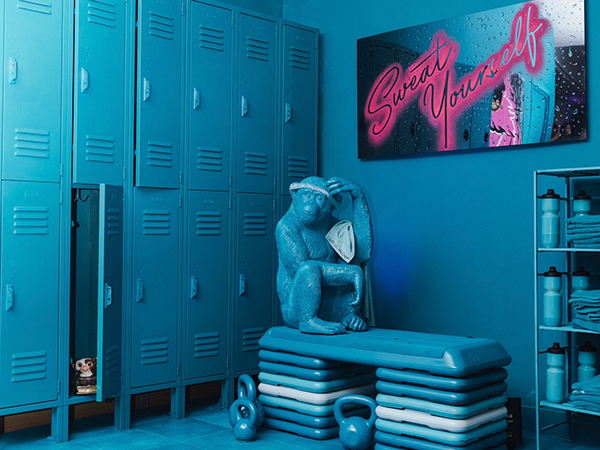
The Zen Monkey doesn't check email. I do.